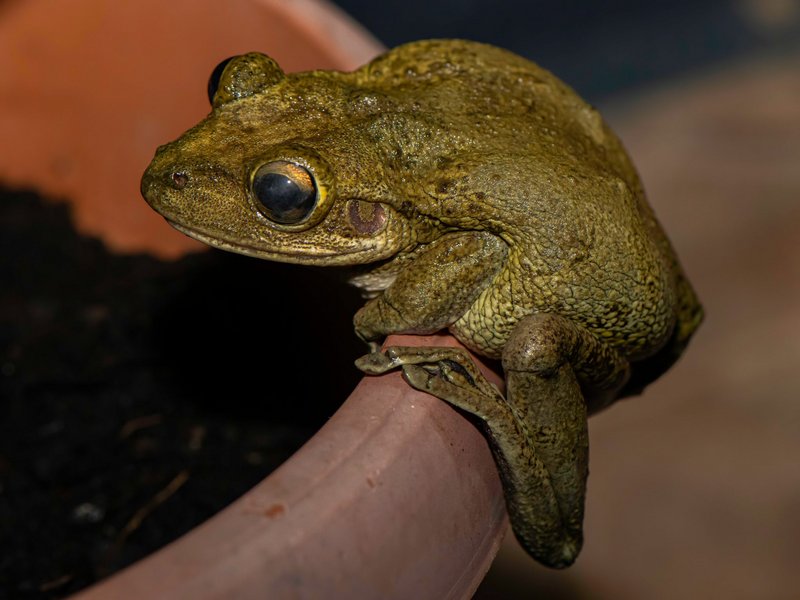
This call for vigilance aligns with ongoing efforts under the Nature and Environment Policy Program (NEPP), where the Statia Government works to protect native biodiversity and limit the impacts of invasive species. Invasive species are species that are non-native (or alien) to the ecosystem under consideration, whose introduction causes or is likely to cause economic or environmental harm or harm to human health¹.
The introduction of invasive species goes through different stages2:
1. Transport: the species arrive on the island for the first time, through airfreight, harbor, by washing up along with driftwood or other floating parts or through wind directions.
2. Introduction: the (un)intentional liberation of the species to the local ecosystem.
3. Establishment: the introduced species becomes self-sustaining by finding a way to feed itself and to survive.
4. Spread: the species has found a way to survive and starts to reproduce and spread within the ecosystem, away from the location where it was introduced.
5. Negative impact: as the species are not native to the ecosystem, they do not naturally fit in the food chain. They compete for food with other species, which then might face a population decrease, which decreases the availability of food for a predator species within the ecosystem. They might not have a natural predator either, so they will grow in numbers, and their negative impact increases.
Recent surveys by STENAPA and partner scientists confirm that the Cuban Treefrog has reached the establishment phase on Statia, with breeding populations observed across the island. The species was most likely introduced through imported plants from Florida.
Statia residents and visitors can help by reporting unusual frogs or lizards to STENAPA. Be cautious when importing or transporting live plants and always check for hitchhiking animals. Reporting helps scientists monitor the spread of invasive species before they start spreading. Protecting Statia’s unique wildlife starts with awareness, quick action, and community involvement.
If you want to report an invasive species, you can do so by calling or texting +599 319 4559 For the full DCNA article, click here: An Unwanted Guest: The Cuban Treefrog on St. Eustatius - DCNA
1. What are Invasive Species? | National Invasive Species Information Center. (n.d.). https://www.invasivespeciesinfo.gov/what-are-invasive-species
2. A proposed unified framework for biological invasions. Trends in Ecology & Evolution (2011). https://doi.org/10.1016/j.tree.2011.03.023